The Automotive Industry: Evolution, Innovation, and the Road Ahead
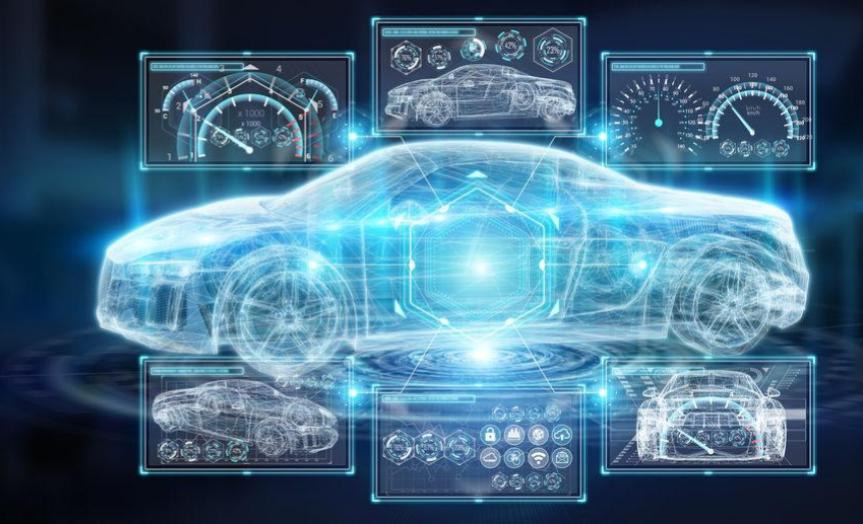
The automotive sector stands as one of the most dynamic industries in the world. From early mechanical inventions to today’s software-driven vehicles, automobiles have continuously evolved to meet changing consumer needs, environmental demands, and technological breakthroughs. This transformation is reshaping not just how vehicles are built, but how people move, work, and live.
The Evolution of the Automotive Industry
The automotive industry began with simple, manually operated machines designed for basic transportation. Over decades, it has grown into a global ecosystem that integrates engineering, electronics, software, and sustainability.
Key phases of evolution include:
-
Early mechanical vehicles focused on reliability and accessibility
-
Mass production enabling affordability and standardization
-
Safety and comfort innovations such as airbags, ABS, and climate control
-
Digital integration with sensors, software, and connectivity
Each phase laid the foundation for the intelligent and efficient vehicles seen today.
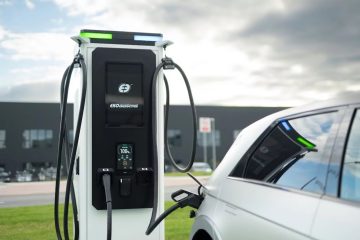
The Rise of Electric Vehicles (EVs)
Electric vehicles have moved from niche products to mainstream transportation solutions. Rising fuel costs, environmental awareness, and government incentives have accelerated their adoption worldwide.
Why Electric Vehicles Matter
-
Lower emissions, reducing environmental impact
-
Reduced operating costs compared to traditional fuel vehicles
-
Quieter driving experience with instant torque delivery
-
Simpler mechanical systems, resulting in lower maintenance
Advancements in battery technology and charging infrastructure continue to improve driving range and convenience, making EVs a practical choice for everyday use.
Autonomous and Connected Vehicles
Modern vehicles are no longer isolated machines. They are increasingly connected, intelligent systems capable of analyzing data and assisting drivers in real time.
Core Technologies Driving Autonomy
-
Advanced driver-assistance systems (ADAS) for safety and control
-
Artificial intelligence and machine learning for decision-making
-
Sensors and cameras for environment perception
-
Vehicle-to-everything (V2X) communication for smarter traffic flow
While fully autonomous cars are still under development, partial automation is already enhancing road safety and driving efficiency.
Sustainability and Green Manufacturing
Sustainability has become a central focus in automotive design and production. Manufacturers are rethinking materials, processes, and energy usage to minimize environmental impact.
Sustainable practices include:
-
Use of recycled and lightweight materials
-
Energy-efficient manufacturing plants
-
Reduction of carbon emissions across supply chains
-
Development of alternative fuels and hybrid systems
These efforts align the automotive industry with global climate goals and consumer expectations.
The Role of Software in Modern Vehicles
Software now plays a critical role in how vehicles operate and improve over time. Many modern cars receive updates remotely, enhancing performance and adding features long after purchase.
Key software-driven features include:
-
Over-the-air updates
-
Smart infotainment systems
-
Predictive maintenance alerts
-
Personalized driving settings
This shift has transformed cars into continuously evolving digital platforms rather than static products.
Challenges Facing the Automotive Industry
Despite rapid innovation, the industry faces several challenges that require strategic adaptation.
Major challenges include:
-
Supply chain disruptions and material shortages
-
Rising production costs
-
Cybersecurity risks in connected vehicles
-
Regulatory compliance across different regions
Addressing these issues demands collaboration between manufacturers, policymakers, and technology providers.
The Future of Mobility
The future of automotive transportation extends beyond car ownership. Shared mobility, subscription-based models, and smart city integration are redefining how people access vehicles.
Emerging trends shaping the future:
-
Mobility-as-a-service (MaaS) platforms
-
Car-sharing and ride-hailing solutions
-
Integration with smart infrastructure
-
Focus on user experience over ownership
These trends suggest a future where mobility is flexible, efficient, and deeply connected to urban life.
Frequently Asked Questions (FAQ)
1. How is the automotive industry adapting to climate change?
Manufacturers are investing in electric vehicles, sustainable materials, and energy-efficient production methods to reduce environmental impact.
2. Are electric vehicles suitable for long-distance travel?
Yes, improving battery technology and expanding charging networks are making long-distance EV travel increasingly practical.
3. What is the difference between autonomous and connected vehicles?
Autonomous vehicles focus on self-driving capabilities, while connected vehicles emphasize communication with devices, infrastructure, and other vehicles.
4. How does software improve vehicle performance?
Software enables real-time diagnostics, feature updates, safety enhancements, and personalized driving experiences.
5. What role does artificial intelligence play in modern cars?
AI supports driver assistance, predictive maintenance, navigation optimization, and autonomous decision-making.
6. Will traditional fuel-powered vehicles disappear completely?
They are expected to decline gradually, but a complete phase-out will depend on infrastructure readiness, regulations, and consumer adoption.
7. How will future mobility models affect car ownership?
More people may shift toward shared and subscription-based mobility options, reducing the need for individual ownership in urban areas.