Why Digital Marketing Integration Matters for Auto Shops
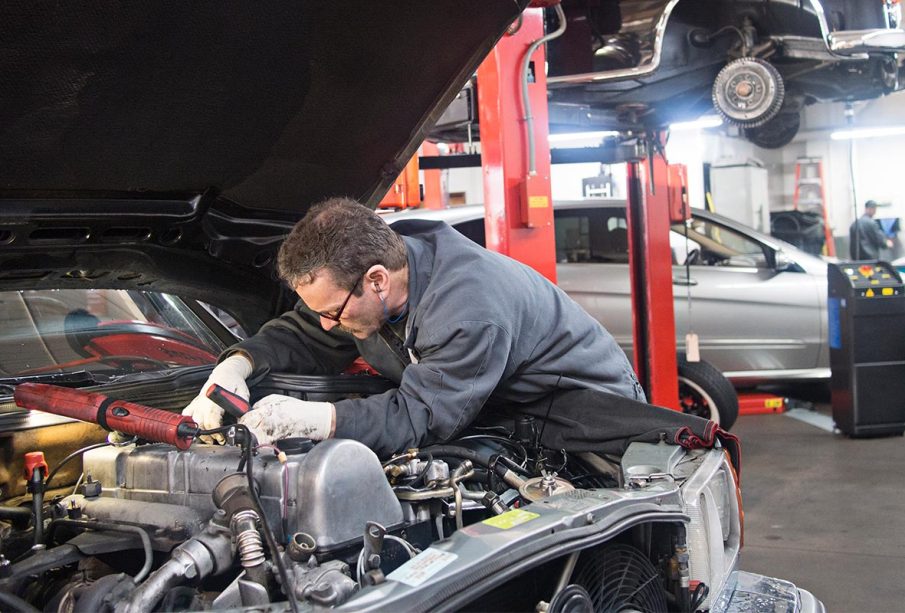
In today’s competitive automotive landscape, digital marketing is no longer an optional strategy for repair shops and dealerships. The integration of digital marketing into daily operations is one of the most effective ways for auto businesses to build trust, generate local leads, and retain loyal customers. The modern customer journey begins online, and auto shops that embrace digital marketing integration gain visibility, consistency, and measurable growth. By strategically incorporating digital marketing integration for auto shops, business owners can unify their advertising, customer communications, and performance tracking into one cohesive strategy that drives results.
The Changing Landscape of the Automotive Industry
The traditional methods of attracting customers, such as print ads, word of mouth, or radio spots, are no longer sufficient. Drivers today rely heavily on digital channels to find, evaluate, and select auto repair services. They check Google reviews, browse social media for local recommendations, and search “auto repair near me” on their smartphones before making a decision. The modern consumer journey is dynamic, multi-channel, and digital first.
Auto shops that fail to adapt to this new landscape risk losing valuable market share to competitors that invest in online visibility and digital engagement. Successful shops now focus on integrating all digital channels—such as websites, search engines, social platforms, and email campaigns—into a unified system that nurtures relationships and drives measurable performance.
What Digital Marketing Integration Means for Auto Shops
Digital marketing integration means connecting all marketing tools, channels, and data systems into a single, cohesive strategy. For auto shops, this integration involves aligning efforts across multiple platforms to deliver a consistent brand message while optimizing customer experience and campaign performance.
When your website analytics, social media platforms, review systems, and email marketing tools work together, you gain a holistic understanding of customer behavior. This not only improves efficiency but also helps identify which marketing activities deliver the best ROI. Integration ensures that every marketing effort supports your business goals, creating synergy between visibility, engagement, and conversion.
Core Components of Digital Marketing Integration
To understand why integration is essential, it’s important to recognize the major components involved in digital marketing for auto shops:
- Search Engine Optimization (SEO): Enhances your shop’s visibility when people search for local auto repair services.
- Pay-Per-Click (PPC) Advertising: Drives targeted traffic through paid campaigns on Google or other search platforms.
- Social Media Marketing: Builds brand awareness, showcases customer reviews, and engages with local audiences.
- Email and SMS Campaigns: Nurture customer relationships and encourage repeat business.
- Reputation Management: Maintains a positive online image through reviews and feedback.
- Analytics and Reporting Tools: Measure performance across all channels and track customer actions from first click to final purchase.
Integration allows these systems to communicate with each other seamlessly, creating a data-driven marketing engine that continuously learns and adapts.
How Digital Marketing Integration Drives Business Growth
When properly implemented, digital marketing integration impacts nearly every aspect of an auto shop’s operations. Below are several key benefits that make integration a cornerstone for growth and sustainability.
1. Unified Brand Presence Across All Platforms
Customers encounter your shop on various platforms—Google Maps, social media, your website, and email campaigns. Inconsistent messaging or outdated contact information can create confusion and reduce credibility. Integrated digital marketing ensures that all platforms reflect consistent branding, contact details, and service offerings.
For instance, when you update your operating hours in your main system, that update automatically reflects across your Google Business Profile, website, and appointment booking tools. This consistency reinforces professionalism and improves search engine accuracy, which strengthens your local SEO ranking.
2. Data-Driven Decision Making
Integration allows you to connect marketing channels with analytics systems. When your advertising data, website traffic, and booking records flow into a unified dashboard, you gain actionable insights about what drives conversions.
An auto shop can use this data to determine:
- Which campaigns bring in the highest-value customers
- Which services generate the most repeat visits
- Which keywords or local search phrases produce the most phone calls or online bookings
Data-driven insights replace guesswork, allowing shop owners to invest in marketing efforts that truly work.
3. Improved Customer Retention and Lifetime Value
Digital marketing integration makes customer engagement more personalized. For example, when your CRM and marketing automation tools are connected, you can send tailored messages to customers based on service history or vehicle type.
Imagine a scenario where your software automatically sends a friendly reminder for an oil change six months after a customer’s last visit. Or an email that offers a discount on tire rotation before the winter season. These personalized touches not only improve retention but also boost the average lifetime value of each customer.
4. Enhanced Local Search Performance
Local SEO thrives on accurate data and consistent engagement signals. Integrated digital marketing ensures that your business information, reviews, and content remain synchronized across all directories and platforms.
When your website, social profiles, and Google Business Profile share the same location data and keywords, search engines can easily verify your business’s authenticity. This consistency helps your shop appear in the “local pack” (top three map results) and improves rankings for “near me” searches—an essential element of visibility for local service providers.
5. Seamless Customer Experience
An integrated marketing ecosystem improves every stage of the customer journey, from discovery to post-service follow-up. A customer might see your Google ad, visit your website, read reviews, and then book an appointment—all without friction.
Because your systems are connected, every interaction feels seamless. The customer receives an appointment confirmation, automatic reminders, and even a follow-up survey, all from the same ecosystem. This continuity enhances satisfaction and makes your business appear organized and professional.
6. Streamlined Reputation Management
Online reviews are one of the most influential factors in a customer’s decision to choose an auto shop. Integrated marketing platforms allow you to automatically request reviews after service, monitor new feedback, and respond promptly.
A strong review profile directly improves your local SEO ranking and boosts trust with new customers. Integration ensures that review requests are automated and strategically timed, reducing the manual effort required to maintain a positive online image.
The Operational Side of Integration
Beyond marketing, digital integration simplifies internal operations. By connecting your marketing tools with your shop management or customer relationship software, you can automate tasks that would otherwise take hours.
For example:
- Customer contact information collected through online ads syncs automatically with your CRM.
- Marketing campaigns automatically exclude customers who have recently booked an appointment, preventing redundant messages.
- Sales data from completed jobs feeds back into analytics to evaluate campaign ROI.
This operational efficiency saves time, reduces manual errors, and ensures your marketing budget is allocated intelligently.
The Strategic Importance of Multi-Channel Consistency
Modern marketing success depends on how well your brand performs across channels. A potential customer might first see a Facebook post, later click a Google ad, and finally book a service through your website. Each of these touchpoints must deliver a consistent brand experience.
Integrated marketing systems ensure that your message, visuals, and tone remain uniform whether someone interacts with you on social media, email, or your website. This multi-channel consistency strengthens brand recognition and increases trust, two critical factors in the auto repair industry.
Future-Proofing Auto Shops Through Integration
The automotive industry is undergoing rapid digital transformation. As connected vehicles, online diagnostics, and AI-driven tools become mainstream, the importance of integration will only grow. Auto shops that establish strong digital foundations today are better prepared to adopt emerging technologies tomorrow.
Integrated digital marketing positions your shop to leverage future innovations such as predictive marketing, automated customer service chatbots, and voice search optimization. It ensures your business remains adaptable in a fast-changing environment where customer expectations evolve continuously.
Common Challenges and How to Overcome Them
Despite its benefits, integrating digital marketing systems can be challenging. Auto shops often face issues such as fragmented data, lack of technical expertise, or incompatible platforms. Below are ways to overcome these challenges:
- Start with a unified goal: Identify measurable outcomes, such as increasing website traffic or improving repeat visits.
- Choose platforms that integrate easily: Many modern tools are built with APIs that allow seamless connection to other systems.
- Train your staff: Employees should understand how integrated systems work and how to interpret performance data.
- Monitor and refine: Integration is not a one-time setup. Continuously monitor performance and adjust based on insights.
Measuring the ROI of Digital Marketing Integration
Every marketing decision should be measurable. Integration makes it easier to calculate ROI by linking campaigns to real-world outcomes like phone calls, appointments, or revenue. You can track:
- Cost per acquisition (CPA)
- Customer lifetime value (CLV)
- Website traffic growth and engagement metrics
- Conversion rate from search or social platforms
By understanding these metrics, you can confidently allocate budgets toward strategies that deliver tangible business results.
FAQ
Q1: How does digital marketing integration improve customer experience for auto shops?
Integration ensures customers enjoy a smooth journey from first contact to service completion. Automated communication, consistent information, and personalized interactions reduce friction and increase satisfaction.
Q2: What’s the biggest mistake auto shops make when implementing digital marketing?
Many focus on running ads without integrating analytics or tracking tools. Without proper integration, it’s impossible to measure what works, leading to wasted budgets and missed opportunities.
Q3: How can small auto shops afford digital marketing integration?
Integration doesn’t require expensive enterprise software. Many affordable platforms allow small shops to connect email marketing, CRM, and social media tools efficiently. Start small and scale as your customer base grows.
Q4: Can integrated marketing help with staff productivity?
Yes. Automation reduces repetitive administrative tasks, allowing staff to focus on higher-value activities such as customer service, diagnostics, and repair efficiency.
Q5: What role does local SEO play in digital marketing integration?
Local SEO is a key component because it connects your business with nearby customers actively seeking auto repair services. Integrated tools ensure consistent NAP data, manage reviews, and track performance across multiple directories to enhance visibility.
Q6: How often should digital marketing data be reviewed?
Ideally, marketing data should be reviewed monthly to spot trends, identify campaign strengths, and correct inefficiencies. Quarterly reviews should include deeper analysis for strategic adjustments.
Integrated digital marketing is no longer optional for auto repair businesses—it is essential. By merging all digital channels and data systems into one strategy, auto shops build a connected, efficient, and customer-centric marketing ecosystem that delivers measurable growth and long-term sustainability.