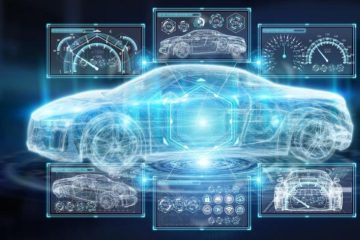
How Electric and Autonomous Cars Are Transforming Automotive Mobility
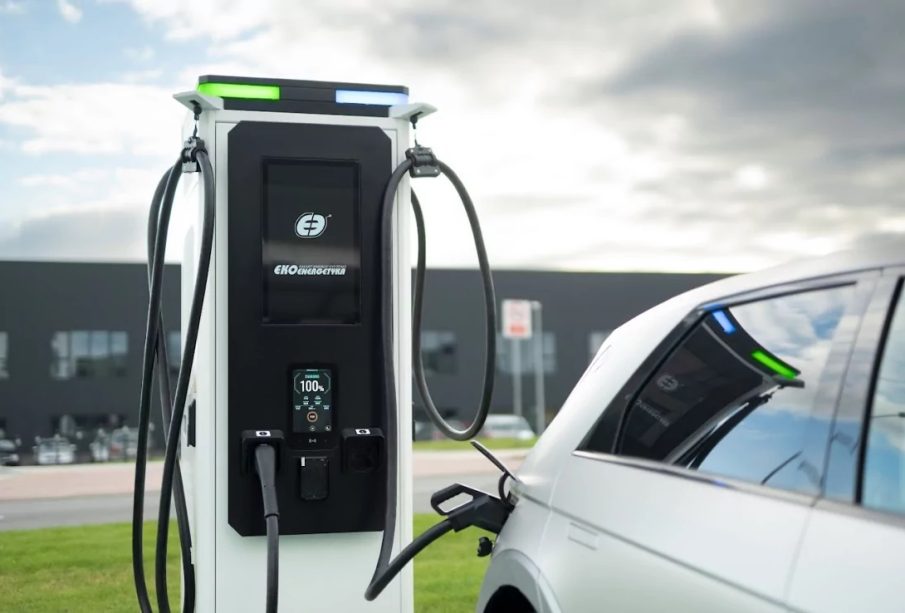
The automotive industry is undergoing a profound transformation as electric vehicles (EVs) and autonomous driving technologies reshape how people and goods move. These innovations are not just upgrading vehicles; they are redefining mobility itself by prioritizing efficiency, safety, and sustainability.
The Shift Toward Electric Mobility
Electric cars have emerged as a practical and forward-looking alternative to traditional fuel-powered vehicles. Their growing popularity reflects changing consumer priorities and global efforts to reduce environmental impact.
Key Advantages of Electric Vehicles
-
Zero tailpipe emissions, supporting cleaner air quality
-
Lower running and maintenance costs due to fewer mechanical parts
-
Instant torque and smoother acceleration for enhanced driving comfort
-
Compatibility with renewable energy sources, reducing fossil fuel dependence
As charging infrastructure expands and battery technology improves, electric mobility is becoming more accessible across urban and rural regions.
Autonomous Cars and the Future of Driving
Autonomous vehicles introduce a new era where cars can sense, analyze, and respond to their surroundings with minimal human intervention. These systems rely on advanced software, sensors, and real-time data processing.
How Autonomous Technology Enhances Mobility
-
Improved road safety by reducing human error
-
Optimized traffic flow through intelligent navigation
-
Increased accessibility for elderly and disabled passengers
-
Reduced driver fatigue during long or congested journeys
While full autonomy is still evolving, semi-autonomous features are already transforming everyday driving experiences.
The Role of Connectivity in Smart Mobility
Electric and autonomous cars are deeply connected systems. Vehicle connectivity allows cars to communicate with infrastructure, other vehicles, and digital platforms.
Connected mobility enables:
-
Real-time traffic updates and route optimization
-
Over-the-air software updates
-
Remote vehicle diagnostics and monitoring
-
Enhanced in-car infotainment experiences
This connectivity creates smarter transportation networks that adapt to real-world conditions instantly.
Environmental and Urban Impact
The combination of electric and autonomous vehicles is reshaping cities and transportation planning. Reduced emissions and smarter traffic management contribute to healthier urban environments.
Key urban benefits include:
-
Lower noise pollution
-
Reduced congestion through intelligent routing
-
More efficient use of parking spaces
-
Support for smart city ecosystems
These changes help cities move toward sustainable and people-centric mobility models.
Challenges Slowing Mass Adoption
Despite their potential, electric and autonomous vehicles face obstacles that must be addressed for widespread adoption.
Major challenges include:
-
High upfront vehicle costs
-
Limited charging infrastructure in some regions
-
Regulatory and legal complexities for autonomous driving
-
Data security and privacy concerns
Ongoing innovation and supportive policies are essential to overcome these barriers.
The Future of Automotive Mobility
Electric and autonomous cars are not isolated trends; together, they represent the foundation of next-generation mobility. As technology matures, vehicles will become more efficient, intelligent, and seamlessly integrated into daily life.
Future mobility is expected to emphasize:
-
Shared and on-demand transportation models
-
Lower environmental footprints
-
Enhanced passenger-centric design
-
Greater reliance on software and data-driven systems
These advancements signal a shift from traditional car ownership toward smarter mobility solutions.
Frequently Asked Questions (FAQ)
1. How do electric cars differ from traditional vehicles?
Electric cars use battery-powered motors instead of internal combustion engines, resulting in lower emissions and reduced maintenance needs.
2. Are autonomous cars safe for everyday use?
Current autonomous features enhance safety, but full autonomy is still under testing and regulation before widespread deployment.
3. Can electric cars support long-distance travel?
Yes, improvements in battery range and fast-charging networks are making long-distance travel increasingly feasible.
4. How do autonomous vehicles reduce traffic congestion?
They use real-time data and optimized routing to maintain smoother traffic flow and reduce bottlenecks.
5. What role does software play in electric and autonomous cars?
Software controls vehicle performance, safety systems, navigation, connectivity, and ongoing feature updates.
6. Will autonomous cars eliminate the need for drivers?
In the long term, some use cases may not require drivers, but human oversight will remain important for many scenarios.
7. How will electric and autonomous cars impact cities?
They can reduce emissions, improve traffic efficiency, and support smarter urban transportation systems.