How Industrial Development Shapes Economic Growth and Employment
Industrial development has long been a driving force behind economic transformation and job creation. By expanding production capabilities, improving infrastructure, and fostering innovation, industries play a decisive role in strengthening national economies and improving living standards. Countries with well-developed industrial sectors often experience faster growth, higher productivity, and more stable employment opportunities.
Understanding Industrial Development
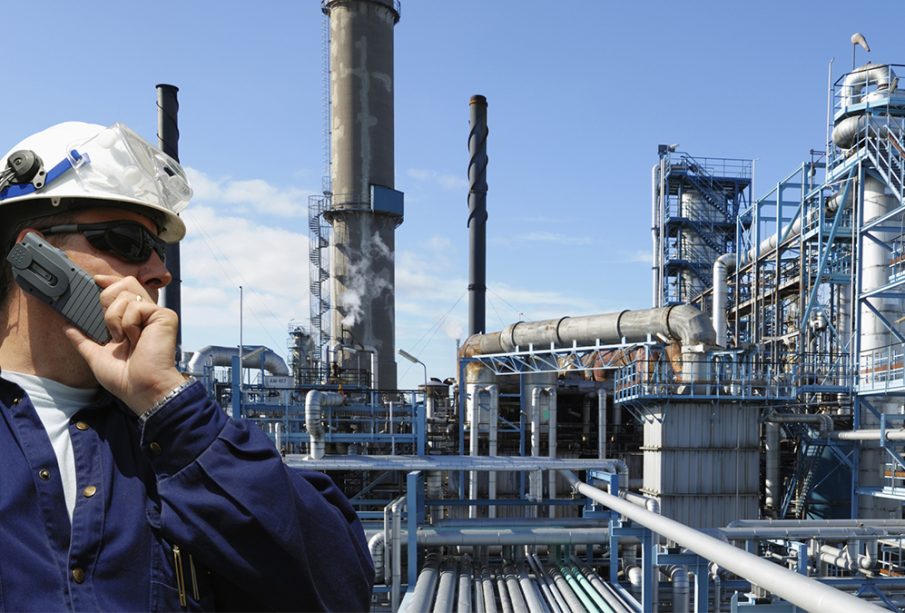
Industrial development refers to the systematic growth of industries through investment, technology adoption, workforce expansion, and infrastructure improvement. It involves moving from low-value activities to higher-value production and services.
Key elements of industrial development include:
-
Expansion of manufacturing and processing units
-
Adoption of modern technology and automation
-
Development of skilled labor
-
Integration into regional and global markets
Industrial Development and Economic Growth
Industrial growth directly contributes to economic expansion by increasing output and efficiency across sectors.
Increased Productivity and Output
Industries enable large-scale production, which improves productivity and reduces per-unit costs. Higher output leads to increased national income and stronger economic performance.
Contribution to GDP
Manufacturing and industrial services contribute significantly to Gross Domestic Product (GDP). As industrial output rises, governments benefit from higher tax revenues, enabling greater public investment in healthcare, education, and infrastructure.
Boost to Exports and Trade
Industrial development enhances a country’s ability to produce export-oriented goods, improving trade balances and strengthening foreign exchange reserves.
Role of Industrial Development in Employment Generation
One of the most visible impacts of industrialization is job creation across multiple skill levels.
Direct Employment Opportunities
Industries generate direct employment in areas such as:
-
Factory operations
-
Engineering and technical roles
-
Quality control and management
These jobs provide stable incomes and career progression.
Indirect and Induced Employment
Industrial activity also creates indirect employment in supporting sectors like transportation, logistics, maintenance, and raw material supply. Additionally, increased income levels lead to induced employment in retail, housing, and services.
Skill Development and Workforce Upgrading
Industrial growth encourages investment in training and skill development, helping workers move into higher-paying and more productive roles.
Industrial Development and Infrastructure Growth
Industries require reliable infrastructure to operate efficiently, leading to broader economic benefits.
Major infrastructure improvements include:
-
Transportation networks (roads, railways, ports)
-
Power generation and distribution
-
Industrial zones and smart cities
These developments benefit both businesses and communities.
Technology, Innovation, and Industrial Progress
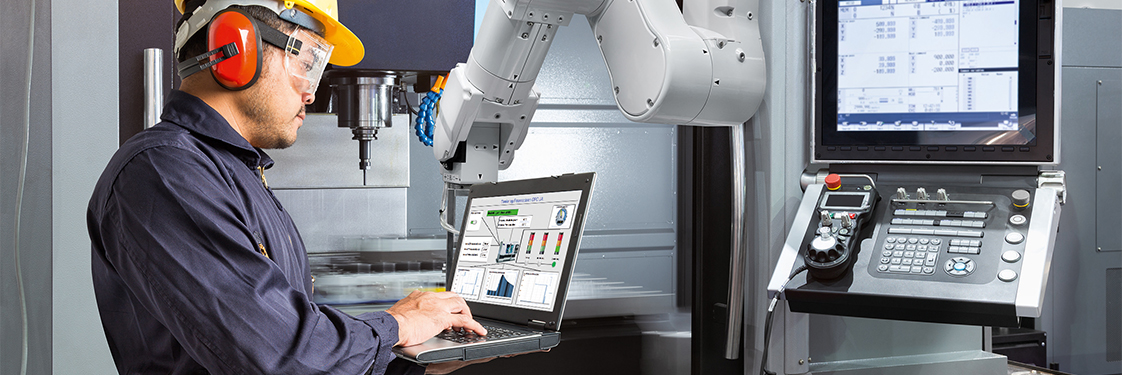
Modern industrial development is closely linked to technological innovation. Automation, digital systems, and data-driven processes improve efficiency while creating demand for new skill sets.
Key technological impacts include:
-
Smarter manufacturing systems
-
Higher product quality and consistency
-
Faster production cycles
-
Emergence of high-tech employment roles
Challenges Associated with Industrial Development
While industrial development drives growth, it also presents challenges that must be managed responsibly.
Common challenges include:
-
Environmental pollution and resource depletion
-
Workforce displacement due to automation
-
Regional income inequality
-
Dependence on global supply chains
Balanced policies and sustainable practices are essential to address these concerns.
The Long-Term Impact on Living Standards
Sustained industrial development leads to higher wages, improved job security, and better access to goods and services. Over time, this results in poverty reduction, urban development, and enhanced quality of life.
The Future of Industrial Development
The future lies in sustainable and inclusive industrialization, where economic growth aligns with environmental protection and social equity. Industries that focus on clean energy, digital transformation, and human capital development will shape resilient economies.
Frequently Asked Questions (FAQs)
1. Why is industrial development important for economic growth?
Industrial development increases production, productivity, exports, and income, all of which fuel economic expansion.
2. How does industrialization create employment?
It generates direct jobs in factories and offices, as well as indirect jobs in supply chains and service sectors.
3. Can industrial development reduce poverty?
Yes, by creating stable employment and increasing wages, industrial growth helps lift communities out of poverty.
4. What types of jobs are created through industrial growth?
Jobs range from low-skilled labor to highly skilled roles in engineering, technology, and management.
5. How does technology affect employment in industries?
While automation may replace some tasks, it also creates new roles requiring advanced skills and technical expertise.
6. What role does government play in industrial development?
Governments support industrial growth through policies, infrastructure investment, incentives, and skill development programs.
7. Is sustainable industrial development possible?
Yes, through clean technologies, efficient resource use, and environmentally responsible production practices.